
Tennis elbow
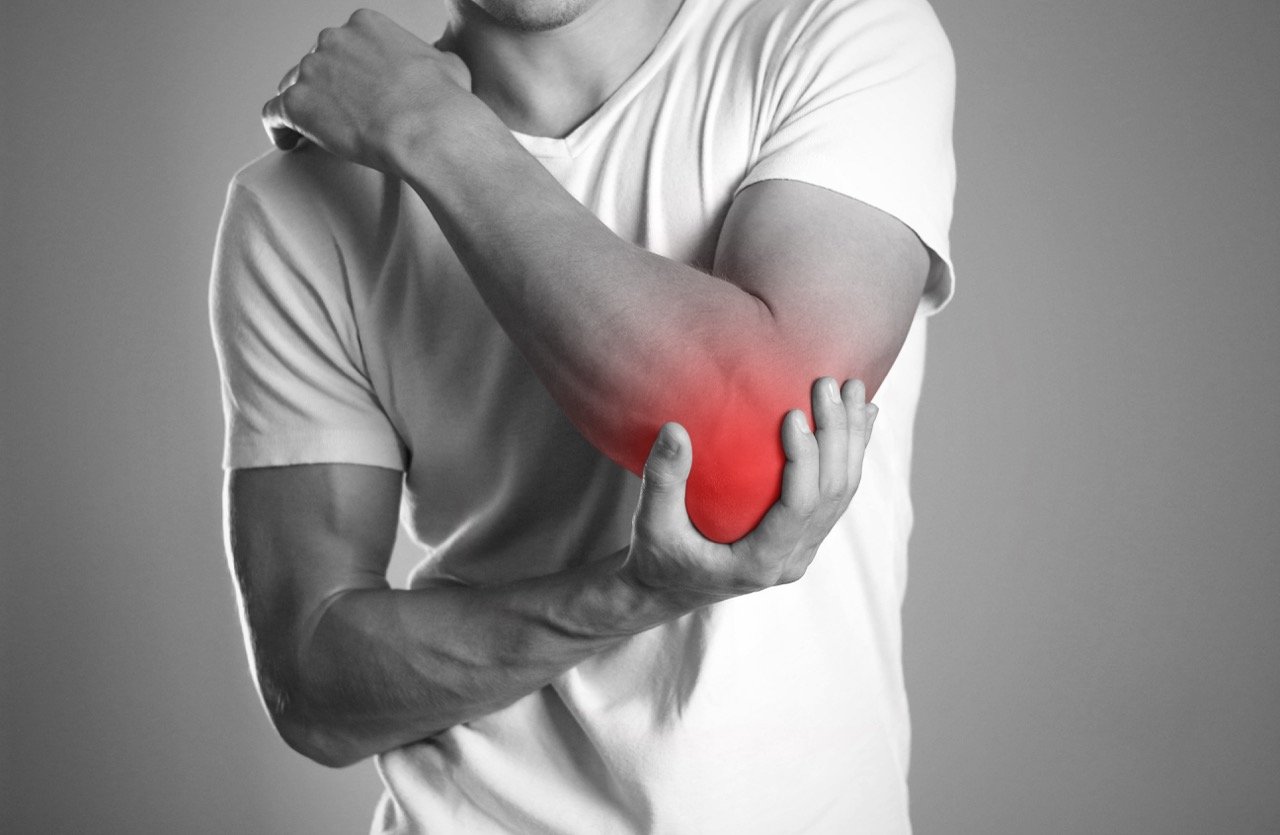
Tennis elbow (medically known as lateral epicondylitis or lateral elbow tendinopathy) is a painful condition affecting the outer part of the elbow. In the UK, it affects roughly 1% to 3% of the UK population. Typically impacting adults between the ages of 35 and 55. Despite the name, only about 5% of tennis elbow cases are caused by playing racquet sports. The majority of cases are driven by repetitive occupational or recreational activities involving power gripping and wrist extension. This is why the condition can be so limiting as doing simple tasks such as turning a door handle, carrying food shopping, holding a coffee cup or brushing your teeth can be aggravating. This day to day frustration can lead to a lower mood.
What are the common signs and symptoms?
Pain in the elbow
Tenderness when touching the elbow
Pain when gripping objects with the affected arm
Pain when straightening the arm
Difficulty using the affected arm
Stiffness of the affected arm
Why did I get a Tendinopathy?
In short, the intensity, frequency, and volume of load going through the tendon exceeded your capacity to recover and adapt. This can be simple tasks such a repetitive typing and use of a mouse.
Does Tennis elbow ever get better?
The simple answer is yes. But, because tennis elbow involves the tendon and tendons have a relatively poor blood supply (compared to muscles), recovery can be slow.
The good news is tennis elbow generally improves over 6 months to one year. The bad news is approximately 10-20% of cases last longer than one year, particularly if not treated correctly.
With the correct treatment we would expect significant improvement in your pain in 1-3 weeks and a complete resolution of symptoms from 6-12 weeks.
How do I know if am loading the tendon appropriately?
Pain remains tolerable during exercise. No more than a 5/10 on a discomfort scale
You see an increase in function i.e. able to grip heavier items or type for longer with less irritation
Please note, If you experience a significant worsening of symptoms the next day. That’s an indication that you’re loading too much and need to back off a bit.
Do I need Shockwave therapy to help the Tendon to recover?
If you are struggling to see results, a combination of radial and focused shockwave therapy with a structured rehabilitation program can achieve meaningful improvements in pain, function, and quality of life, especially in those grappling with a chronic tendinopathy. Each modality of shockwave therapy interacts with the tissues differently, influencing neovascularisation, collagen synthesis, and nociceptor modulation. A study has also showed that a combination of the two shockwave therapies offered a solution for individuals who had been unresponsive to radial treatment alone.
What is the protocol for combined shockwave therapy?
Start with Radial SWT to desensitise tendon and surrounding tissues
Follow immediately with Focused SWT over the area of maximal pain:
Session frequency: 3–6 sessions, with at least 7–10 days between treatments.
Post-treatment care: Avoid explosive loads (plyometrics) for 48 hours. Initiate heavy slow resistance or heavy isometric training
What is Victor the Physio’s approach to treating Tennis elbow?
My approach moves beyond just a loading program. It includes a course of combined Radial and Focused shockwave therapy and a load of motivation to keep you compliant with the rehab. I want to build a long-lasting physically resistant tendon.
