
Bony Stress Fractures
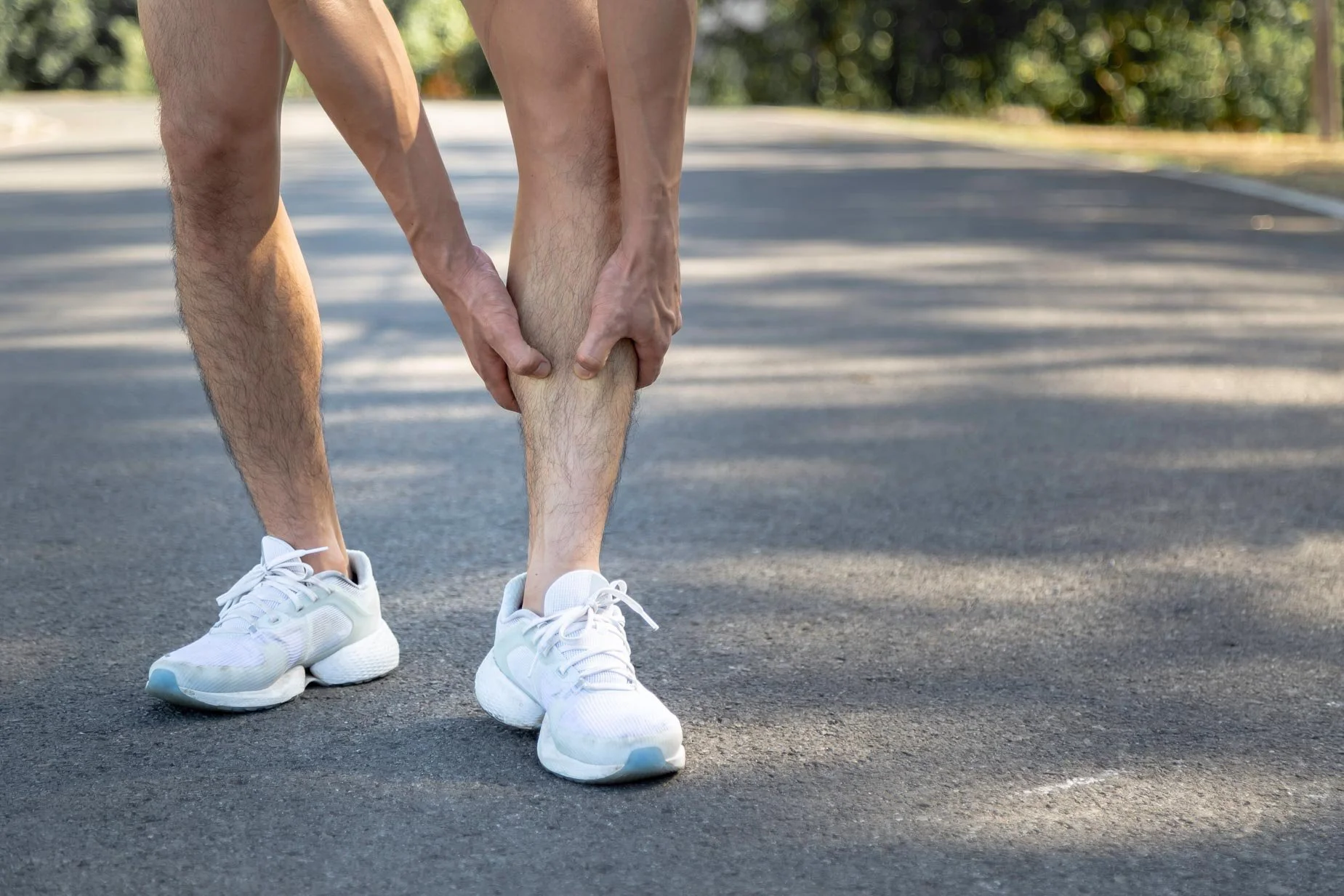
Stress fractures are small cracks that develop in the bones, most commonly in the weight-bearing bones of the lower leg and foot.
Experiencing a stress fracture often means dealing with persistent pain that worsens with activity and eases with rest. You might notice swelling and tenderness at the injury site, making everyday tasks increasingly uncomfortable. Simple actions like walking or standing for long periods become challenging, and you might be reluctant to put weight on the affected limb. Missteps or sudden movements can cause sharp, shooting pain, keeping you constantly aware of the injury.
In the UK, the prevalence of stress fractures is very low (less than 1%). However, the prevalence and incidence rates jump significantly when looking at competitive athletes and military personnel. In runners, stress fractures account for nearly 16% of all injuries. The most common stress fractures are in weight-bearing bones such as the tibia, tarsal navicular and metatarsals. The ripple effects of a stress fracture often impacts several key areas of life. Activities you might take for granted, like food shopping, climbing stairs, or even walking your dog, can become agonising. If your job requires prolonged standing, heavy lifting, or significant walking, you may need time off, a change in duties, or remote adjustments. Beyond physical limitations, the sudden inability to exercise is often the biggest toll on mental well-being.
What are the common signs and symptoms?
Pain – the most common symptom of a stress fracture is pain. At first, the pain may be mild and only persist during physical activity. However, as the fracture progresses, the pain can become severe during activity and might even be present at rest.
Tenderness – the fracture often becomes tender to touch. You may also experience swelling, which can make the area feel warm to the touch or become red.
A change in the way you walk – stress fractures can cause an alteration in your normal walking pattern. For instance, you may begin to limp to avoid putting weight on the affected bone.
Why did I get a stress fracture?
The primary cause of stress fractures is a sudden increase in physical activity. This could be due to a variety of factors, such as:
Increasing the amount or intensity of an activity too quickly
Switching to a different playing or running surface
Wearing improper or worn-out footwear while performing an activity
Other potential causes of stress fractures include the following:
Lack of nutrients – a vitamin D and calcium deficiency.
Eating disorders
Foot problems – people who have flat feet or high arches are more likely to develop stress fractures.
Low bone density conditions such as osteopenia and osteoporosis causes the bones to weaken, and those with these condition are more likely to encounter stress fractures. (patients suffering from low bone density conditions are treated with bisphosphonate medication, HRT, and vitamin D supplements). Bone density can be assessed and monitored via a DEXA scan.
Sex – Women have a higher rate of stress fractures than men. This is due to differing hormone levels between the two sexes.
How long does it take to recover?
Most people heal fully within around 2 – 3 months, although recovery may take longer in severe cases.
How does bone heal?
Hematoma Formation and Inflammatory Phase (Day 1-7). The inflammatory stage of fracture healing is the body’s immediate response to a broken bone. It begins with the formation of a hematoma (a clot of blood). This hematoma acts as a temporary scaffold and triggers the release of chemical mediators such as cytokines and growth factors. These signals recruit inflammatory cells like neutrophils and macrophages to clear debris and start tissue repair. They also attract mesenchymal stem cells, which are essential for the next phase of healing
Soft Callus Formation and Granulation Tissue Formation (Day 4-14). The soft callus stage begins when mesenchymal stem cells transform into cartilage‑forming and bone‑forming cells. These cells create a fibrocartilage and collagen callus that bridges the fracture gap and provides early stability. At the same time, granulation tissue rich in new blood vessels develops, supplying oxygen and nutrients needed for healing. This soft callus acts as a temporary support structure and typically lasts a few weeks.
Hard Callus Formation and Endochondral Ossification (3–12 weeks). The hard callus stage begins when osteoblasts move into the soft callus and start laying down new bone. As this happens, the soft, cartilage‑based callus gradually mineralises and turns into a hard, bony callus made of immature woven bone. This transformation—called endochondral ossification—strengthens the fracture site and provides much greater structural stability. This phase can last several months, depending on the fracture’s severity and location.
Remodeling Phase (months to years). The remodelling phase is the final and longest stage of bone healing. During this time, the immature woven bone formed earlier is gradually reshaped into strong, mature bone. Osteoclasts remove excess or poorly aligned bone, while osteoblasts lay down new, organised bone in a process called bone modelling. Over months to years, the bone slowly adapts to everyday mechanical stresses and regains its normal structure and strength.
What are my treatment options?
The treatment for stress fractures depends on its severity and location. The treatment goal is to relieve your symptoms, promote healing and prevent further damage.
Common treatment options include:
Activity modification. This is often the first step in treatment. It includes temporarily stopping participation in sports that may have contributed to the stress fracture. This allows the bone to heal naturally and prevents any further damage by avoiding stressful activities
Pain relief medication
Immobilisation. If you cannot walk without pain, a temporary cast or walking boot should relieve stress on the bone and promote healing.
Rehabilitation and strengthening. Once the pain starts to ease, you can begin doing exercises to strengthen the muscles in your lower legs. Stronger muscles will help prevent shin splints from coming back
How does Focused shockwave therapy treat bony injuries?
Focused shockwave is a non-invasive procedure that utilises high-intensity sound waves to penetrate deep into the tissues, stimulating the cellular response at the fracture site, increasing the rate of fracture healing.
The cellular responses include:
Osteoinduction. Focused shockwave therapy has been shown to stimulate osteoblast activity (osteoblasts are cells which are responsible for laying down new bone tissue) which is essential for bone healing.
Periosteal stimulation. Focused shockwave is believed to stimulate the periosteum. This causes cells to migrate into the damaged site of injury and form a callus.
Neovascularisation. Bone tissue has a high demand for blood, hence why it is high vascularised. Focused shockwave has been shown to stimulate the development of new blood vessels in damaged bone, a process known as neovascularisation.
Although the overall evidence for Focused shockwave therapy is considered low quality (i.e. case studies). It shows promising results for stress fracture healing as there is an increase in local blood supply and production of an effective hematoma (blood clot) at the site of the fracture.
What is Victor the Physio’s approach to treating Stress fractures?
My approach involves activity modification and a rehab program that encourages cross training such as swimming, deep-water running, or cycling. This allows my clients to maintain their cardiovascular fitness whilst the fracture heals and remains offloaded. For delayed-union or non-union fractures i recommend a course of Focused shockwave therapy to improve the stimulus for bone healing.
