
When is a Hip replacement the best course of action?
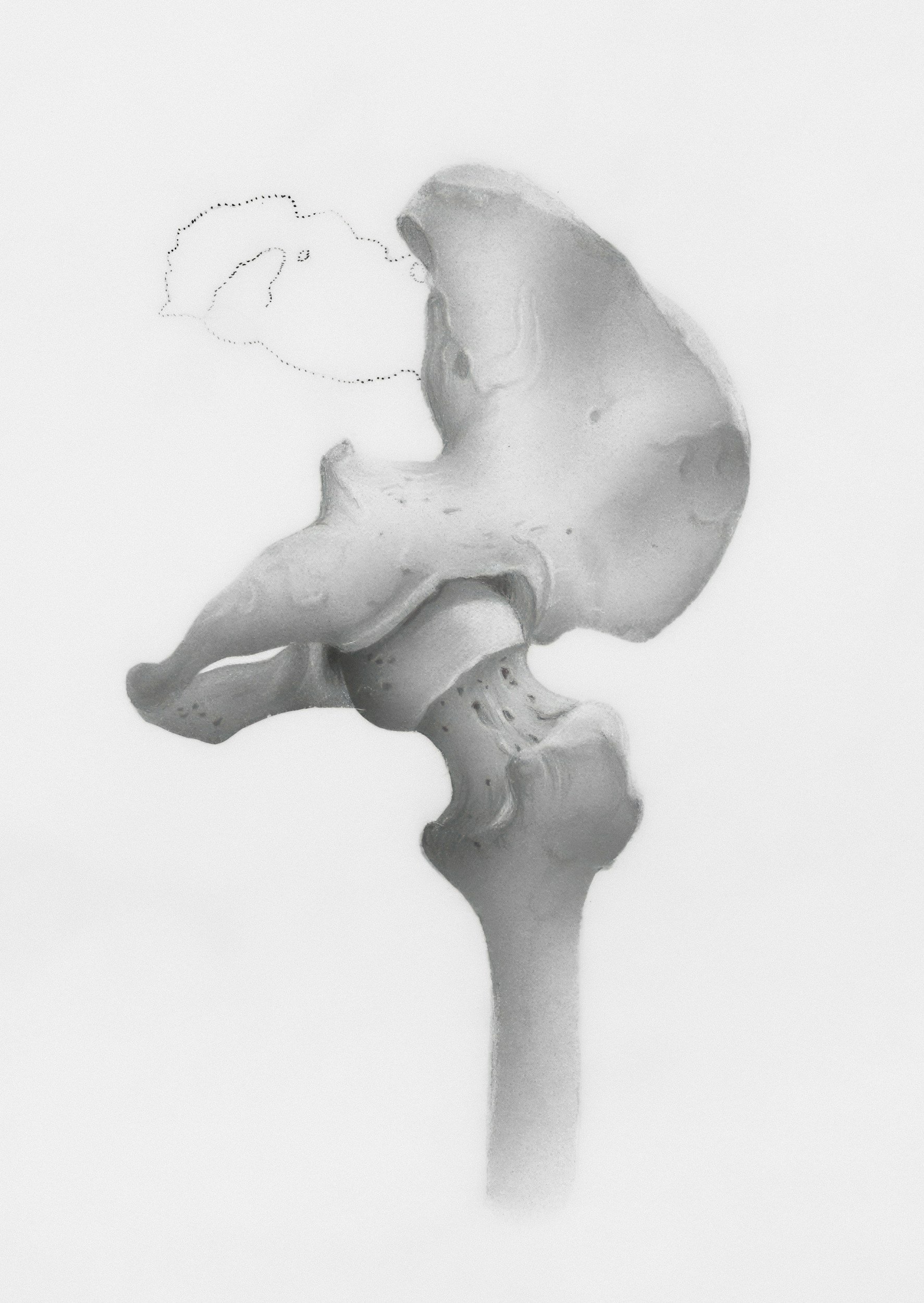
There are several factors that could lead to a hip replacement. Regardless of the cause, it is likely the pain and stiffness that has led you to consider a hip a replacement. At this stage, you have likely determined that conservative management of exercises, pain relief and activity modification is no longer sufficient. You are probably tired of being limited with common activities such as walking, getting in and out of a chair or putting on your socks. Ultimately, you want a better quality of life.
What is a hip replacement?
A total hip replacement, also known as a total hip arthroplasty is when the damaged hip is removed and replaced with an artificial one. Most people who have a total hip replacement are between the ages of 60 and 80 years old, and they are designed to last for at least 15 years.
What does a hip replacement procedure involve?
A total hip replacement is usually performed either under general anaesthetic (you are unconscious throughout the procedure) or spinal anaesthetic (when you are conscious but have no feeling from the waist down). In both cases, you will not feel any pain during the procedure.
In a total hip replacement, the head of your thigh bone and socket of your hip bone are replaced with artificial parts. The procedure can take around 1 to 2 hours.
What happens before the surgery?
Before your surgery, you will attend a specialist clinic to meet your surgeon and other members of the surgical team. They will talk more about the operation, as well as performing several tests to assess your overall health. This is a good chance to ask any questions you may have.
It is important to ensure you are healthy enough to cope with a major operation and the rehabilitation afterwards, as this can be very demanding on your body.
To prepare you for the surgery, your physiotherapist may recommend certain exercises for you to carry out, as well as encouraging an increase in physical activity, and advising weight management where appropriate
What are the common symptoms post surgery
Hip pain
Lower limb swelling
Bruising around the hip, thigh and calf
Numbness around the incision
Hip stiffness and mobility issues
Hip Clicking and Clunking
What to do following hip replacement surgery?
A total hip replacement is a common procedure, and the majority of people experience a successful recovery.
Patients can often go home 1 – 3 days after the procedure.
Performing regular hip exercises, whether done independently at home or under the guidance of a physiotherapist, plays a crucial role in this rehabilitation process for several important reasons:
Restoring mobility and function – physiotherapy helps you to regain mobility and function in the hip. It focuses on improving range of motion and strength.
Reducing pain – physiotherapy helps to reduce pain and discomfort. Your physiotherapist will also teach you how to manage pain effectively.
Strengthening muscles around the knee – physiotherapy strengthens muscles around the joint, which is vital for joint stability and function.
Your physiotherapist will work with you to create a personalised rehabilitation plan. They will also talk with you about the most effective strategies for managing your everyday tasks.
Hip exercises and staying active after your operation will also help to prevent some of the common complications from occurring, such as:
Dislocation of the hip
Infection of the wound
Deep infection of the joint replacement
Bleeding into the hip joint
Damage to nearby structures in the hip
Blood clots or deep vein thrombosis (DVT)
How long does a total hip replacement take to recover?
Most people can resume normal activities within 2 – 3 months, although it may take around a year to recover fully
What is Victor the Physio’s approach to rehab?
My approach to hip replacement rehab is simple. Early mobilisations, effective pain management, and progressive strengthening whilst abiding hip precautions. I believe my clients should be guided during this time as rehabilitating alone is challenging and motivation can easily be lost. My goal is to ensure you regain full function and return to activities stronger and with more confidence.
