
Deep Scar tissue
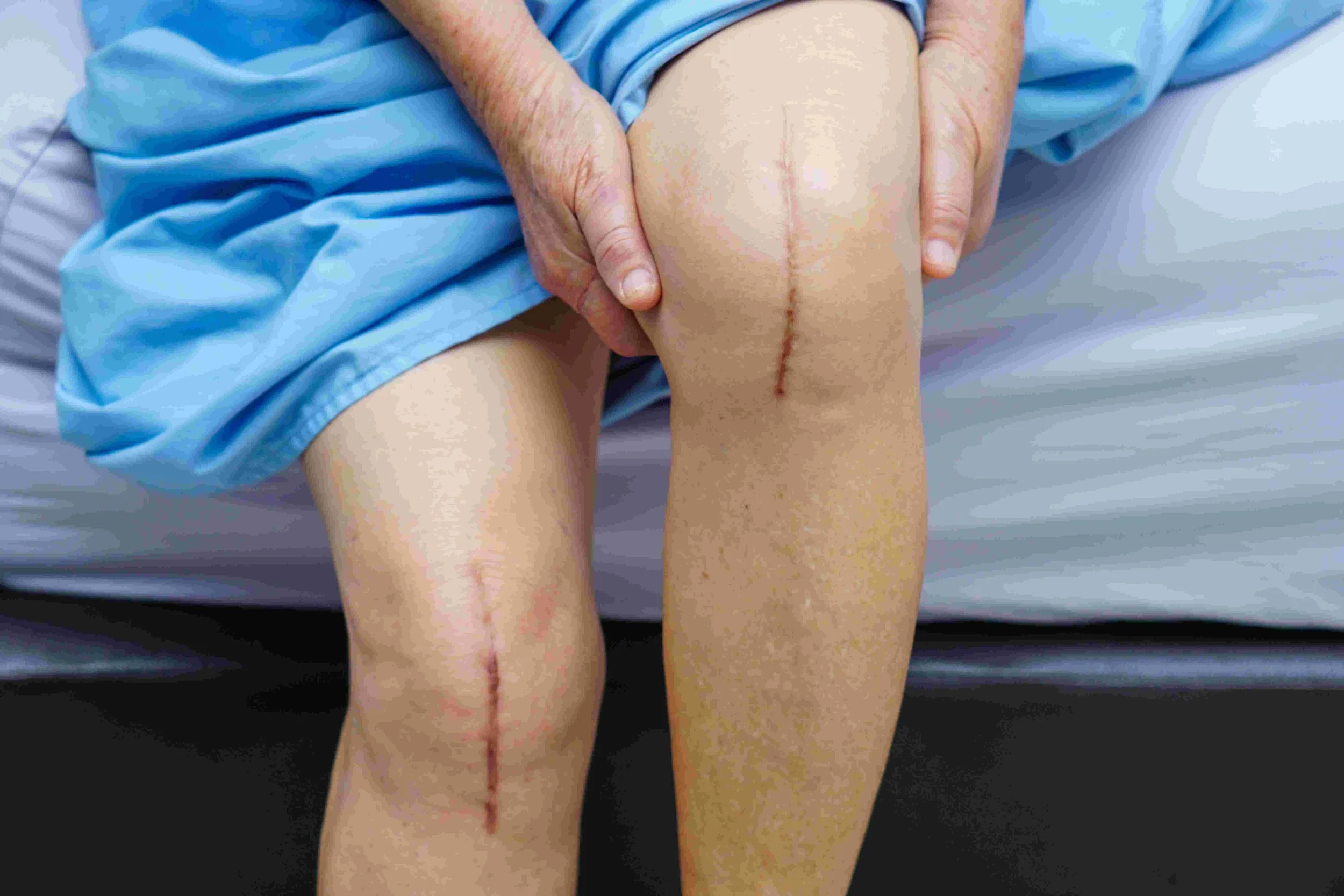
Scar tissue replaces normal skin after an injury and is made up of an accumulation of cells and collagen fibres. Collagen is the building block of all types of tissue, and it closes and heals the wound.
In most cases, scars become paler over time and slowly fade away, without causing any issues. However, occasionally, deep scar tissue can form, creating tight, fibrous, or sunken, and often inflexible bands that can restrict movement, cause pain by binding together muscles, skin, or organs or irritating a nerve. Unfortunately, some people experience scar tissue pain a long time after the initial injury took place and the scar formed.
Traditional scar tissue treatment methods have their limitations. Massage, stretching exercises, and topical creams can provide some relief, but they often only address the surface-level symptoms and do not effectively break up scar tissue beneath the skin.
Focused shockwave therapy has emerged as a promising treatment for breaking up scar tissue. This non-invasive procedure utilizes high-intensity sound waves to penetrate deep into the tissues, stimulating the body’s natural healing response. The shockwaves promote increased blood flow to the affected area, which helps to break down scar tissue and stimulate the production of new, healthy tissue.
What are the common signs and symptoms?
Swelling
Itching
Numbness
Restricted range of movement
Skin colour changes
Extreme sensitivity
When to Consider Shockwave Therapy for Scar Tissue?
Ongoing pain
Restricted movement
Rigid, raised or painful
Standard treatments are ineffective
Cosmetic considerations
What are the Benefits of Shockwave Therapy for Scar Tissue?
Non-invasive and safe
Effective pain relief
Enhanced healing
Reduced dependance on medication
Improved functionality
High success rate
What is the Treatment Protocol for Scar Tissue?
Typical Course
A course of shockwave therapy and physiotherapy for scar tissue usually involves 5 to 8 sessions, spaced about one week apart. Each session lasts 30 minutes. The exact number of sessions may vary depending on the severity of the condition and the client’s response to treatment.
Intensity And Frequency
The intensity and frequency of the shockwaves are carefully adjusted based on the client’s pain tolerance and the characteristics of the condition.
Minimal Downtime
Clients can usually resume normal activities immediately after treatment, although they will be advised to avoid strenuous or high-impact activities for a short period if possible.
Post-Treatment Sensation
Some clients may experience mild soreness or swelling in the treated area. This typically resolves within a few days.
Is Focused shockwave painful?
You should feel discomfort during the duration of the treatment, but this should not be intolerable. It is important that you communicate with the clinician during treatment to ensure the speed and power of the shockwaves is adjusted. Please note the area might feel sore for a few days after receiving focused shockwave. It is advised that you limit physical activity until symptoms calm down.
Can I keep taking painkillers?
Focused shockwave is a pro-inflammatory treatment. Inflammation is an important part of the healing process. It sets the scene for healing to occur. Taking non-steroidal anti-inflammatories (NSAIDS) for the following 48 hours is not recommended as it can disrupt this process and reduce the effectiveness of the treatment. I advice paracetamol is taken for pain management if needed after focused shockwave treatment.
