
An anterior cruciate ligament (ACL) injury can be a major setback, particularly if you enjoy running, football, rugby, skiing, tennis or other sports that involve jumping, landing and changing direction.
An ACL injury does not necessarily mean that you need surgery, and it does not automatically mean that you will be unable to return to the activities you enjoy.
Whether your ACL injury is being managed without surgery or you have undergone ACL reconstruction, physiotherapy plays a central role in helping you regain movement, strength, stability, confidence and function.
Recovery takes time, and rehabilitation needs to progress through several stages rather than simply relying on the knee feeling better.
In this guide, we'll explain what an ACL injury is, how it happens, what symptoms to look out for and how physiotherapy can support your recovery.
What Is the ACL?
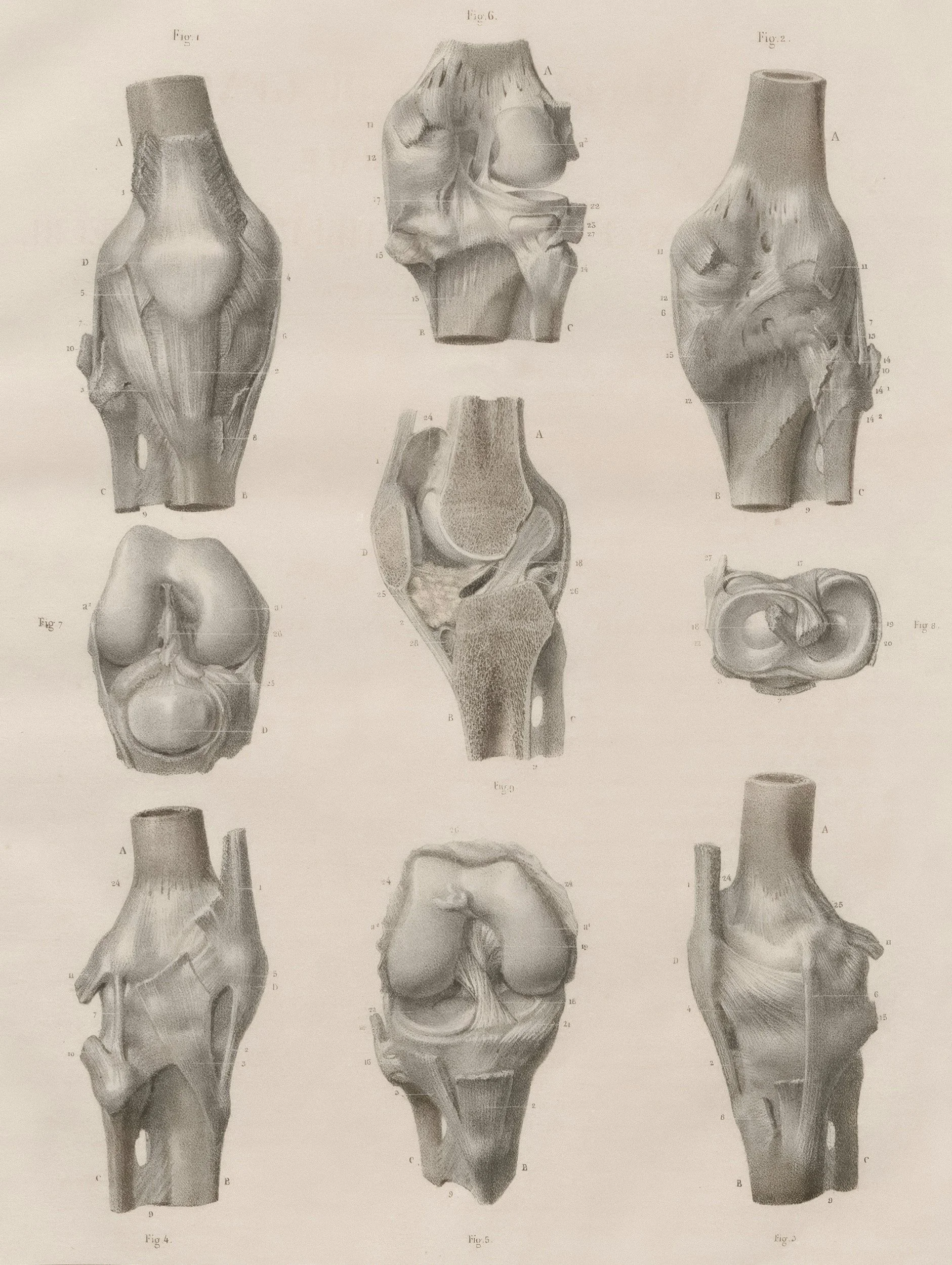
The anterior cruciate ligament (ACL) is one of the major ligaments inside the knee.
It connects the thigh bone (femur) to the shin bone (tibia) and helps provide stability, particularly during movements involving twisting, pivoting and changes of direction.
The ACL also contributes to the way your body senses the position and movement of the knee.
When the ACL is injured, the knee can become painful, swollen and unstable.
How Do ACL Injuries Happen?
ACL injuries are commonly associated with sporting activities. They can occur when the knee is subjected to a sudden force or movement that exceeds the ligament's capacity.
Common mechanisms include:
Sudden changes of direction
Pivoting or twisting
Awkward landings after jumping
Sudden deceleration
A direct blow to the knee
Contact injuries during sport
Falls or other traumatic events
ACL injuries can occur in both contact and non-contact situations. For example, a footballer may plant their foot and attempt to change direction quickly, while a skier may experience a twisting force through the knee.
What Does an ACL Injury Feel Like?
Some people describe feeling or hearing a "pop" or "snap" at the time of injury.
Other common symptoms include:
Sudden knee pain
Rapid swelling
Difficulty putting weight through the leg
Reduced knee movement
A feeling that the knee is unstable
The knee giving way
Difficulty returning to sport
Rapid swelling following an acute knee injury can be particularly significant because it may indicate bleeding within the joint.
However, symptoms alone cannot confirm an ACL tear. A clinical assessment is important, and an MRI may be used to help confirm the diagnosis and identify associated injuries.
Can an ACL Injury Heal Without Surgery?
Not every ACL injury requires reconstruction.
Management depends on several factors, including the extent of the injury, symptoms, knee stability, associated injuries, occupation, sporting requirements and individual goals.
Some people can achieve good function with structured rehabilitation and do not require surgery. Others may continue to experience instability despite rehabilitation and may be considered for ACL reconstruction.
The decision about whether surgery is appropriate should be made individually with the relevant healthcare professionals.
Importantly, choosing rehabilitation initially does not necessarily mean that surgery can never be considered later.
Why Is Physiotherapy Important After an ACL Injury?
Physiotherapy is important because an ACL injury affects much more than the ligament itself.
Following an injury, you may experience:
Pain
Swelling
Loss of knee movement
Reduced quadriceps strength
Reduced hamstring strength
Reduced balance
Changes in walking
Reduced confidence in the knee
Difficulty controlling the knee during movement
The aim of rehabilitation is to progressively address these problems and restore your ability to perform the activities that matter to you.
Whether you undergo ACL reconstruction or manage the injury without surgery, rehabilitation is a key component of recovery.
Physiotherapy After ACL Reconstruction
Following ACL reconstruction, rehabilitation is usually divided into progressive stages.
The exact programme will depend on your surgery, graft type, associated injuries, surgeon's instructions and individual progress.
Your physiotherapist will work with you to gradually increase what your knee can tolerate
Stage 1: Managing Pain and Swelling
Stage 2: Rebuilding Strength
Stage 3: Balance and Neuromuscular Control
Stage 4: Running Rehabilitation
Stage 5: Jumping, Landing and Changing Direction
Stage 6: Return to Sport
How Long Does ACL Rehabilitation Take?
There is no single recovery timeline that applies to everyone.
Your rehabilitation time will depend on:
Whether you have surgery
The type of surgery
Associated injuries
Your strength before and after surgery
Your rehabilitation progress
Your occupation
Your sporting goals
Your individual response to loading
Returning to everyday activities may occur considerably earlier than returning to competitive sport.
The NHS notes that recovery following ACL surgery can take several months or longer, with returning to sport potentially taking around a year.
For people aiming to return to high-level sport or physically demanding work, rehabilitation may continue for 12 months or more.
The key point is that time alone does not determine whether your knee is ready.
Your rehabilitation milestones and physical capacity are equally important.
Can Physiotherapy Prevent Another ACL Injury?
Rehabilitation does not end when you return to sport.
A structured injury-prevention programme can help address movement patterns, strength and neuromuscular control associated with ACL injury risk.
ACL injury-prevention programmes incorporating exercises such as strength, balance, jumping and landing drills have been shown to reduce the risk of primary ACL injuries in athletes participating in higher-risk sports.
Your physiotherapist can help develop an ongoing programme that fits your sport and training schedule. This may be particularly useful during warm-ups before training and matches.
What If My Knee Still Feels Unstable?
Persistent instability is an important symptom following an ACL injury.
Some people are able to manage their knee effectively through rehabilitation, while others continue to experience episodes of giving way despite appropriate strengthening.
If your knee repeatedly gives way, particularly during everyday activities or sport, it is important to discuss this with your physiotherapist or knee specialist.
Persistent instability can influence decisions about further management, including whether ACL reconstruction should be considered.
Physiotherapy Is About More Than the ACL
One of the most important aspects of ACL rehabilitation is recognising that recovery is not simply about allowing the ligament or graft to heal.
Your rehabilitation needs to restore your whole lower-limb function.
This includes: Mobility, Strength, Control, Fitness, Confidence and Sport-specific capacity
Don't Let an ACL Injury Define Your Future
An ACL injury can be frustrating, particularly when it affects your ability to work, exercise or participate in sport.
However, an ACL injury does not automatically mean the end of your sporting or fitness goals.
With appropriate assessment and a structured rehabilitation programme, physiotherapy can help you progressively restore movement, strength, stability, confidence and physical capacity.
Whether your recovery involves surgery or rehabilitation without surgery, the goal should be to build a knee that is capable of handling the demands of your lifestyle.
At my clinic, we provide individualised rehabilitation for ACL injuries, helping patients progress from the early stages of recovery through to running, strength training and return to sport.
If you've suffered an ACL injury or are struggling with your recovery following ACL surgery, book a physiotherapy assessment to discuss your rehabilitation and your goals.
